
Life Skills Course
Furthermost Outpost Life Skills Retreat
~~~~~~~~~~~~~~~~~~~~~~~~~~~~~~~
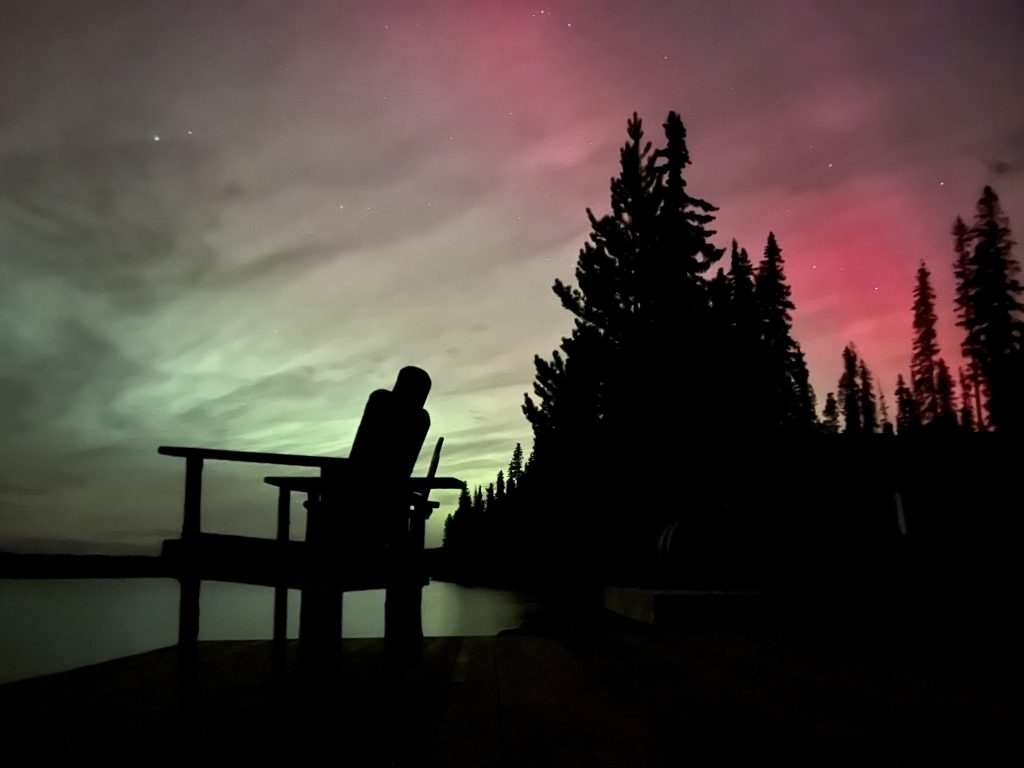
A 5-Day Readiness & Resilience Retreat at Eliguk Lake Wilderness Resort
~~~~~~~~~~~~~~~~~~~~~~~~~~~~~~~~
Learn practical skills. Build resilience. Strengthen relationships. Discover what you’re capable of when life stops cooperating.
This retreat is one of the most unique experiences available in Canada—and arguably anywhere in the world. Nowhere else can couples step into a functioning, extremely remote, off‑grid retreat and learn directly from people who live this life every day, all while enjoying the comfort, solitude, and beauty of a wilderness resort in your own cosy lakeside log cabin. Offered only for a limited time, this is an exclusive opportunity to gain real off‑grid skills in a rugged yet deeply restorative setting.
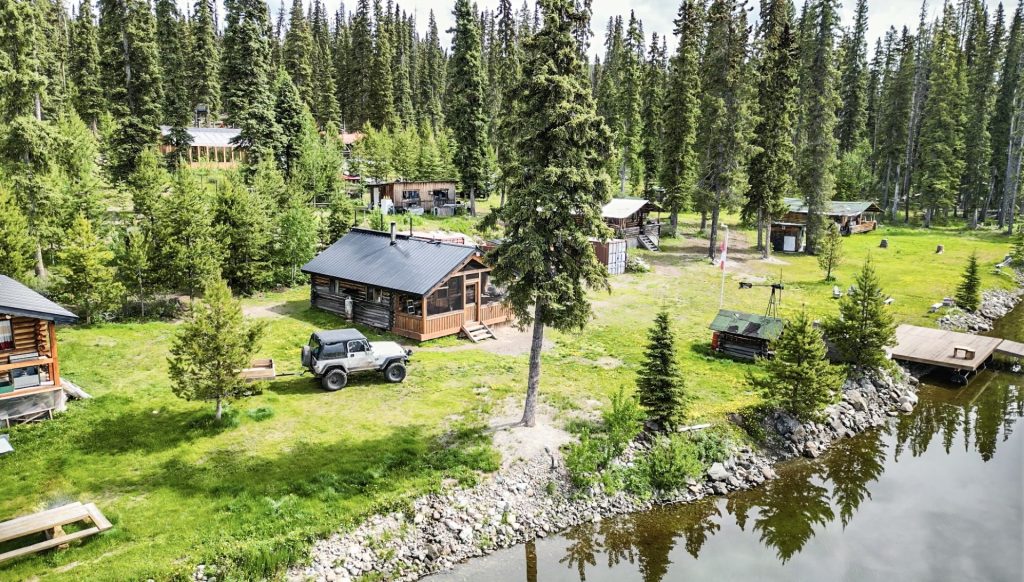
This retreat is designed to challenge assumptions, build confidence, strengthen communication, and help guests discover capabilities they may not realize they possess.
Guests can expect a balanced rhythm of hands‑on training, personal reflection, and true vacation time. Between modules, you’re free to enjoy boating on the lake, fishing, hiking, wildlife viewing, or simply soaking in the silence that only deep wilderness can offer. All meals are included, and you’ll participate in preparing several of them as part of the food‑skills curriculum.
Each retreat is intentionally intimate—only two couples per session—ensuring personalised instruction, comfort, and space to breathe. You will leave with several items, including some you created while on course, plus a Certificate of Completion.
Course Fee: $7,500 CAD per couple, plus applicable taxes. Includes: All instruction, meals, amenities, tools, materials, and certification. Inquiries & Booking: Please email or call to reserve your retreat dates in August and September of each year.
What Makes This Retreat So Rare
- No other program in Canada offers this combination of hands‑on off‑grid training, wilderness immersion, and personalised instruction.
- Few places in the world provide a real, lived off‑grid experience in a remote lodge setting where guests learn directly from long‑term off‑grid homesteaders & wilderness stewards.
- Limited availability—this retreat is offered for a short time each year and is available to only two couples per session.
- A working off‑grid property, not a simulation or staged environment. Everything you learn is real, lived, and used daily.
- A balance of learning and rest, giving guests both practical skills and the rejuvenation of a wilderness getaway.
“The retreat spans a full seven days, including a dedicated arrival day and a departure day. Your first day is designed for a smooth, unhurried transition into the wilderness—time to settle into your cabin, acclimate to the environment, and enjoy the property before training begins. The final day offers a gentle close to the experience, giving you space to pack, reflect, and ease back into the rhythm of everyday life.”
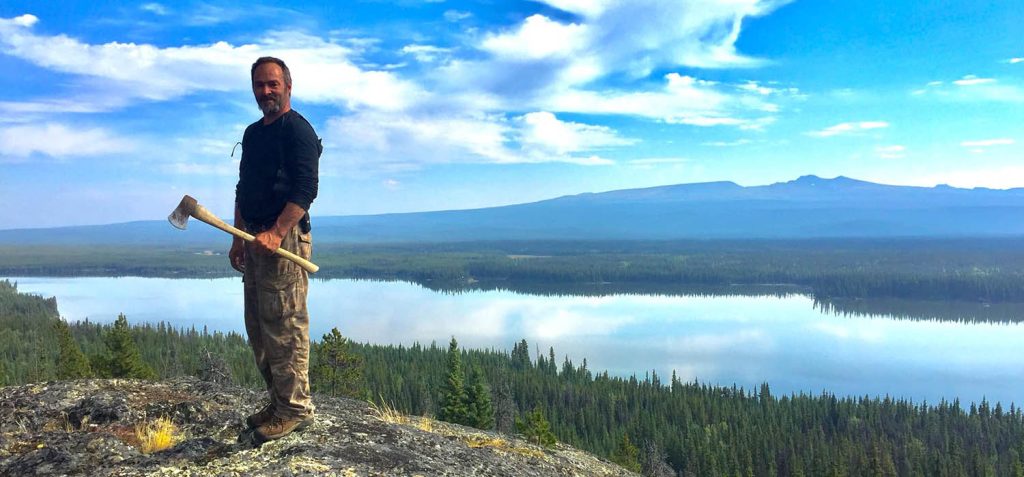
The 5‑Day Course
Day 1 — Orientation, Mindset & Off‑Grid Foundations
Settle in, build confidence, and understand the land and systems that support off‑grid life.
Morning: Orientation Walk
- Tour the setting, building projects, greenhouse, solar array, and sawmill
- Water, heat, waste, and wildlife safety
- Tool storage and safe handling
- Chicken Coop, eggs and their prized poop
- What “off-grid” means in practice
Afternoon: Systems Foundations
- Wood stove, chimney and firewood operation
- Water filtration system, Outhouse composting, and conservation
- Solar basics for daily operations
- Intro to axes, saws, and knives
- Cooking outdoors or without power
- Boat/Dock safety
Evening: Fireside Welcome Circle
- Share in off-grid stories
- Resilience, communication, expectations
- Personal reflection on goals
Day 2 — Food Foundations: Cooking, Preservation & Foraging
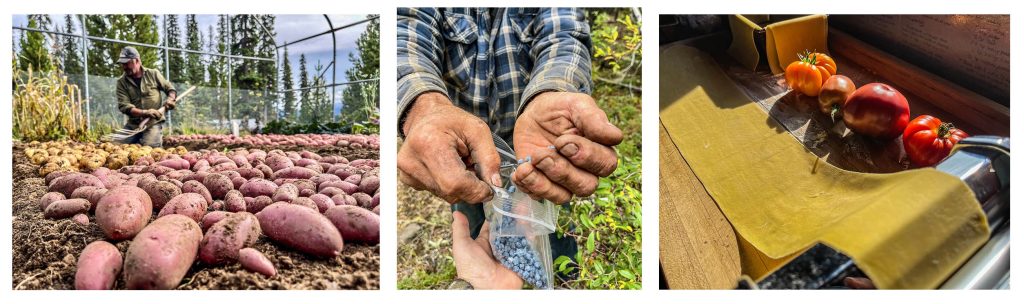
Learn how off‑grid food systems work—from foraging to cooking to winter storage.
Morning: Foraging Walk
- Edible plants, herbs, berries, mushrooms
- Value of Pine & Spruce Pitch
- Wilderness Safety and Ethical Harvesting
- Medicinal Values of Fauna and preserving Winter tea
- Animal Tracking and Wildlife Behaviour
- Predator Awareness
- Map & Compass Basics
- Collect Red Western Alder for Fish Smoking (peel and chop)
Afternoon: Hands‑On Cooking & Preservation
- Start-up fish smoker and fish smoking lessons
- Prepare a shared meal using foraged ingredients, eggs, fish, and pantry staples
- Introduction to canning, freezing, dehydration, and winter pantry planning
Evening: Shared Meal & Discussion
- Seasonal eating
- Food security
- How much food does a couple need for winter
Day 3 — Growing & Land Stewardship:
Steps to Self-Reliance – Greenhouse Gardening Day
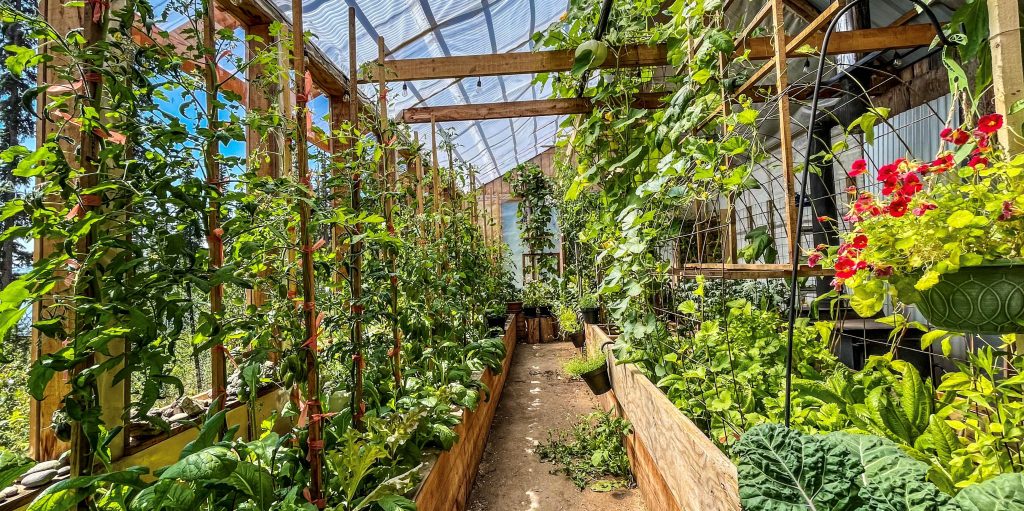
Discover how to grow food and care for land in a northern climate.
Morning: Greenhouse Immersion
- Heat management, humidity, and airflow
- Seed starting, transplanting, watering
- Square foot & compact planting methods
- Composting layer methods for soil beds
- Hands‑on planting or tending a bed
Afternoon: Soil, Water & Land Evaluation
- Composting and soil building
- Water sourcing and conservation
- Outdoor gardening, soil enhancement & natural resources
- How to choose land for off‑grid living and geological evaluation
- Reading Weather Patterns
- Transitioning Between Seasons
Evening: Garden Planning & Reflection
- Designing a year‑round garden
- Common homesteading mistakes
- Tour food cache storage & systems
Day 4 — Power, Tools & Infrastructure: The Solar + Sawmill Day
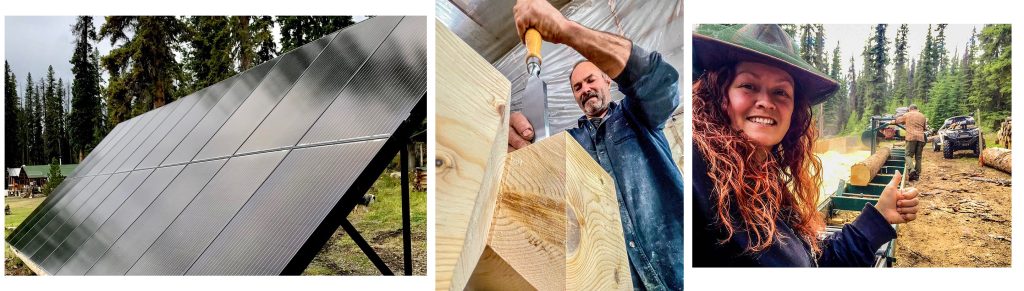
Gain confidence with tools, energy systems, and the infrastructure that keeps an off‑grid home running.
Morning: Solar Power Deep Dive
- Panels, batteries, inverters, charge controllers
- Reading system output
- Troubleshooting and energy budgeting
- Back-up Generator & Fuel Storage Safety
Afternoon: Firewood, Tools & Sawmill Work
- Safe axe use, splitting, and stacking
- Chainsaw basics (when appropriate)
- Identifying and drying firewood
- Bandsawmill demonstration and hands‑on participation
- Make a Live Edge Charcuterie Board
- Simple repairs and tool maintenance
Evening: Winter Preparation (while sanding & oiling the Charcuterie Board)
- Preparing a home for long winters
- Fire mitigation and disaster prevention
- Energy planning for dark months
Day 5 — Thriving Off Grid: Herbalism, First Aid & Long‑Term Planning
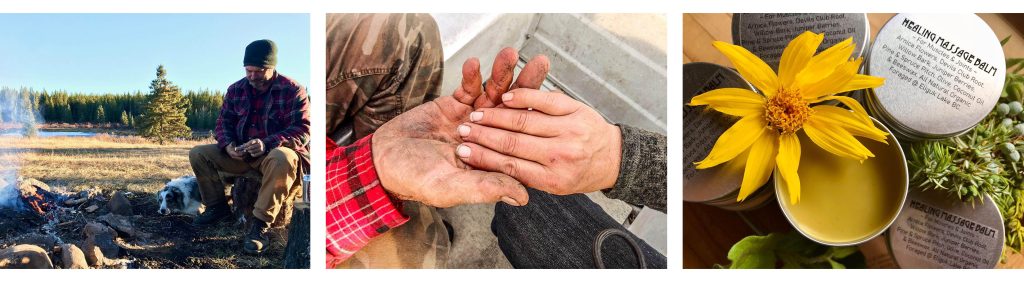
Integrate your skills and create a realistic plan for your off‑grid future.
Morning: From Scratch & Natural Wellness
- Combination herbs for teas and remedies
- Making First Aid salves, tinctures, or herbal blends
- The Pantry – From scratch cooking methods
- Rodent & Pest Prevention – Bat House/Mosquito Control
Afternoon: Remote First Aid, Communication, Awareness, Physical & Mental Checks
- Wilderness Travel & Safety – Quad/Boat/SnowMachine
- What’s in the First Aid Kit
- Dehydration and Hypothermia
- When to seek outside help for mental & physical issues
- Emergency communication planning – VHF, CB or Cell.
- Mindset and Relationships – Team Building
- Balancing Solitude with Connection
- Creating Routines that Support Mental Health
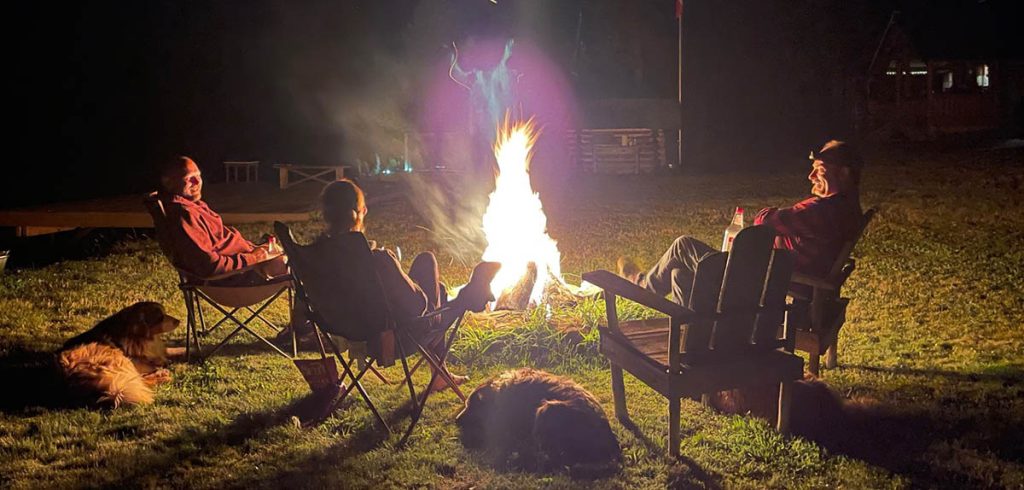
Evening: Closing Ceremony
- Q&A with Jennifer & Aron
- Readiness assessment
- Final reflections and next steps
Who This Retreat Is For
- Couples dreaming of an off‑grid future
- Beginners wanting a realistic, supportive introduction
- Intermediate learners seeking hands‑on practice
- Anyone craving a reset in nature while learning meaningful skills
“The course can be tailored for guests who already have experience with off‑grid living. For those with more advanced skills or established routines, we can expand the curriculum to include foundational building and carpentry projects—such as constructing a small shed or outhouse—as well as deeper training in power systems, infrastructure planning, or relationship‑based teamwork for couples preparing to live remotely together.”
Guest Health & Dietary Information
To ensure a safe and comfortable experience for every participant, all guests must disclose any allergies, medical conditions, dietary restrictions, or food intolerances before booking. This information allows us to plan meals appropriately, prepare for any necessary accommodations, and ensure that all activities are conducted with your well-being in mind.
All details shared are kept confidential and used solely to support your safety and comfort during the retreat.

Liability & Safety Disclaimer
Participation in the Furthermost Outpost Skills Certification Retreat involves hands‑on learning in a remote wilderness environment, including the use of tools, equipment, and natural terrain. While every effort is made to provide a safe, supportive, and well‑supervised experience, guests acknowledge that off‑grid living and outdoor activities carry inherent risks.
All participants are required to review and sign a liability waiver prior to the start of the retreat. This waiver confirms understanding of the nature of the activities involved and agreement to follow all safety instructions provided by the instructors. Eliguk Lake Lodge maintains third‑party liability insurance; however, guests are responsible for their own personal health coverage and travel insurance.
By registering for the retreat, guests agree to participate responsibly, respect safety protocols, and communicate any concerns or limitations to the instructors.
What Couples Should Bring
Clothing for All Weather
Eliguk Lake is true wilderness—the weather can shift quickly. Guests should pack:
- Durable hiking boots or sturdy outdoor shoes
- Comfortable indoor shoes or slippers for the cabin
- Warm layers (fleece, wool, down jacket)
- Lightweight layers for warm afternoons
- Rain jacket and rain pants
- Hat and gloves (even in summer, evenings can be cool)
- Extra socks (wool recommended)
- Clothing you don’t mind getting dirty during hands‑on modules
Outdoor & Activity Gear
These items help guests enjoy the property during downtime:
- Headlamp
- Fishing Rods, Tackle & Applicable Fishing Licenses
- Leather Work Gloves (Wood/Sawmill/Gardening Gloves)
- Sunglasses
- Sunscreen, lip balm
- Reusable water bottle
- Daypack for hikes or foraging walks
- Swimsuit (if they want to dip in the lake or sauna, if available)
Personal Items
- Toiletries (shampoo, toothbrush, toothpaste, personal hygiene items)
- Any personal medications
- Insect repellent/Hat netting
- Small personal first‑aid items (band‑aids, blister care)
Learning & Reflection Tools
Since the retreat includes reflection and planning:
- Journal or notebook
- Pen/pencil
- Any off‑grid plans, sketches, or ideas they want to discuss
Optional Comforts & Extras
Not required, but often appreciated:
- Camera or phone for photos
- Binoculars for wildlife viewing
- Pocket knife for campfire whittling
- Favourite snacks or beverages
- Books or personal reading material
- Travel mug or thermos
What You Don’t Need to Bring
Because we provide a fully supported experience, guests do not need:
- Bedding or linens
- Towels
- Cooking gear
- Tools or Safety equipment (safety glasses/hearing protection)
- Firewood or fire‑starting supplies
- Specialised outdoor gear (unless you prefer your own)